With Support from the Netri Foundation, WFSS Expands Safe Water Access in 10 Rural Communities
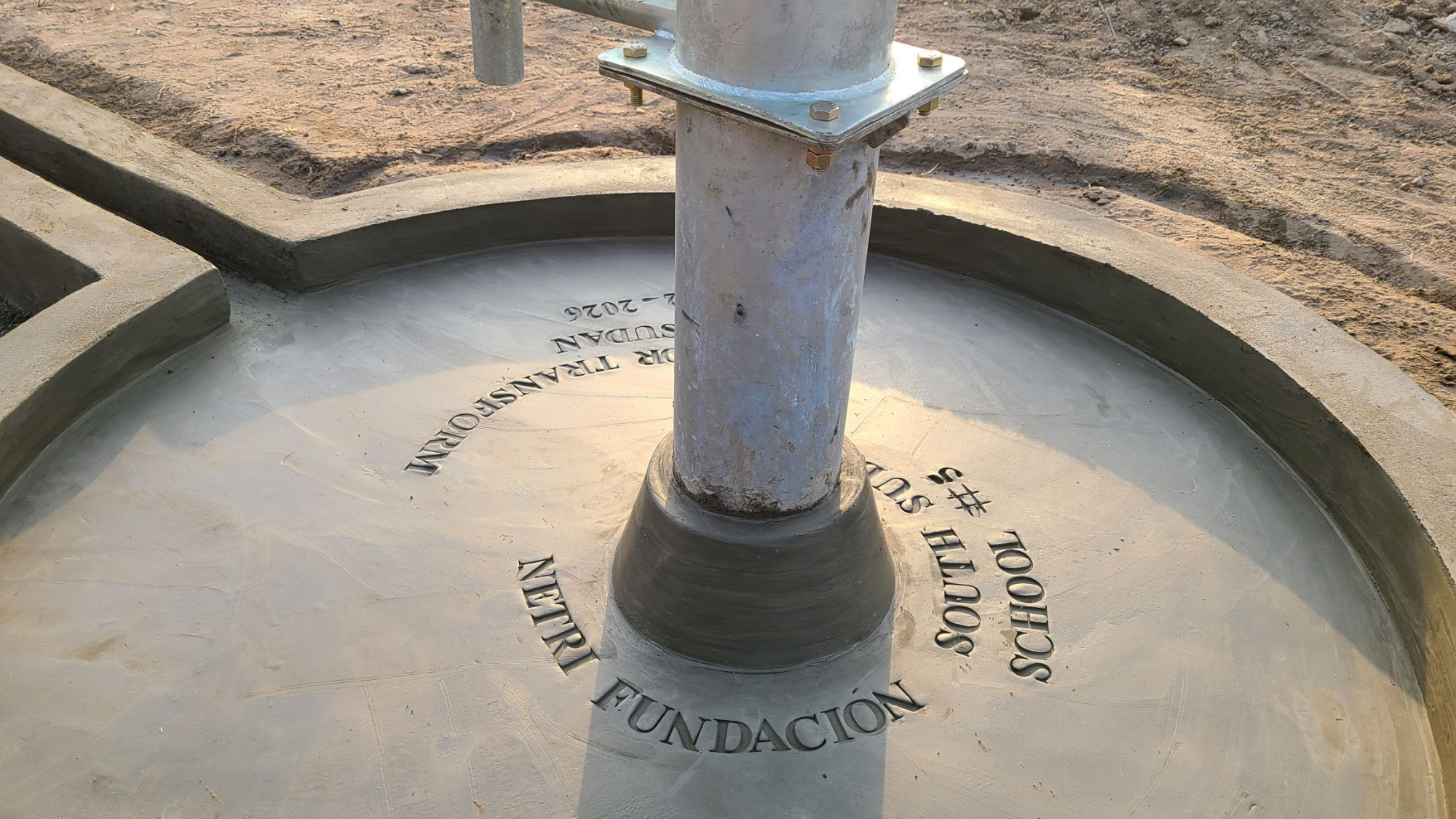
In rural South Sudan, access to safe water is still far from guaranteed.
Across the Bahr el Ghazal region, many families rely on unsafe or distant water sources for drinking, cooking, and daily use. That affects nearly everything: health, time, school attendance, and a family’s ability to care for children, farm, or earn income.
With support from the Netri Foundation, Water for South Sudan (WFSS) is launching a new initiative to help change that. The project will bring safe water access to 10 rural villages across Warrap, Northern Bahr el Ghazal, and Western Bahr el Ghazal States, reaching more than 5,000 people in communities that currently lack reliable access to clean water.
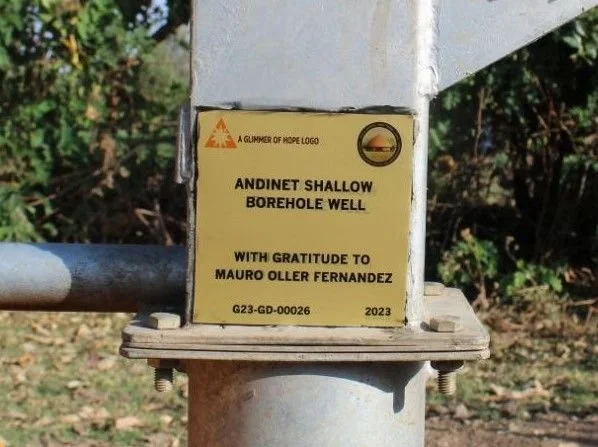
“At Netri, we support practical, cost-effective solutions that improve people’s daily lives. Access to safe water is foundational to health, education, and livelihoods, and WFSS has consistently demonstrated its ability to deliver this in a sustainable, community-led way.”
~ Josephine Ragni, Managing Director NETRI FUNDACIÓN
In South Sudan, nearly 6 in 10 people rely on unsafe water sources. In many communities, women and girls carry the heaviest burden, often walking long distances to collect water for their families. That time comes at a cost to health, education, caregiving, and livelihoods.
For nearly two decades, WFSS has worked alongside communities across rural South Sudan to expand access to safe water, hygiene, and sanitation. Since 2005, WFSS has drilled more than 650 new wells and rehabilitated more than 460 older wells, helping bring clean water to more than 500,000 people.
This new initiative builds on that experience, but it is about more than drilling wells.
At WFSS, we know that long-term access to safe water depends on local ownership. Each new water point will be supported by a trained Water Management Committee, along with local hygiene promotion and basic maintenance support to help communities sustain the well over time.
That work starts before drilling begins.
WFSS works closely with the Department of Rural Water and local leadership to identify villages with the greatest need. Before any drilling begins, the team meets with village elders and residents to understand local priorities, gather baseline information, and identify participants for training. That early engagement helps build community ownership from the start and lays the foundation for sustainability.
A new well can make an immediate difference. Safer water can improve health outcomes, reduce the spread of disease, and cut down the time women and girls spend walking long distances to collect water. That time can then go back into school, farming, caregiving, and other economic activity.
In these 10 communities, this initiative will mean more than new infrastructure. It will mean safer water closer to home, stronger local systems to maintain it, and a more stable foundation for everyday life.
WFSS is grateful to the Netri Foundation for making this initiative possible.
Curious to learn more?
Explore our Sustainability Initiative and see how WFSS works with communities to build local systems that help water access last.