Sustainability & Local Ownership
Sustainable Water. Local Leadership. Lasting Impact.
At Water for South Sudan (WFSS), clean water solutions don’t end when a new well is installed. They last because they are built, owned, and maintained by the communities they serve.
Sustainability isn’t an add‑on to our work—it’s the foundation of how we approach clean water access in every community.
Our Sustainability Model: What It Looks Like in Practice
Too many water projects fail within a few years due to lack of maintenance, training, or local ownership. WFSS partners with communities to design water systems they can manage independently—with the skills, resources, and accountability needed for long‑term success.
A typical WFSS water project includes:
Community‑led site selection and planning
Formation and training of a 7‑member Water Management Committee (WMC)
Inclusive leadership, with women represented on every committee
Training for local pump mechanics and technicians
Establishment of a micro‑savings and financing plan for repairs
Connection to regional repair supply chains
Ongoing monitoring, water quality testing, and follow‑up support
This is how sustainability moves from principle to practice.
Local Leadership from the Start
Before any project begins, WFSS works alongside community members to understand local water challenges, priorities, and capacity. Community leaders guide decisions about system design, location, and long‑term management.
This collaborative approach ensures each solution fits the local context—technically, culturally, and economically.
Community Ownership & Responsibility
Water systems are not “handed over” and forgotten. Every WFSS well project includes the formation or support of a local Water Management Committee responsible for:
Overseeing daily operations
Coordinating repairs
Managing household contributions and savings
Ensuring reliable, equitable access
Resolving conflicts
Advising the community on well use
WFSS facilitates a community‑led process to determine what each household contributes to sustain the water point—creating transparency, buy‑in, and accountability. Learn more about why WFSS focuses its work in South Sudan and how sustainable, community-owned water access helps address urgent and ongoing needs.
Training That Stays in the Community
Infrastructure alone is not enough. WFSS provides hands‑on training so that knowledge and capacity remain local:
Pump Mechanics Training: Local technicians learn how to diagnose and fix common problems
Water Committee Training: Members learn basic financial management, record‑keeping, and governance
Hygiene & Water Quality Education: Communities learn how to protect both the system and their health
By connecting committees to reliable repair supply chains, communities don’t just know how to fix problems—they can actually source the parts to do it.
Rehabilitation: Keeping the Water Flowing
Sustainability also means caring for what already exists.
WFSS operates a dedicated well rehabilitation program to restore broken or aging water systems. Our teams identify root causes of failure, install improved components, and extend the life of pumps—often at a fraction of the cost of new drilling. This approach:
Reduces service disruptions
Protects past investments
Keeps clean water flowing for communities that already depend on it
How We Measure Success
WFSS is committed to ensuring long‑term functionality—not just short‑term installation. Our Monitoring & Evaluation team conducts regular follow‑ups to:
Assess whether wells are fully functional
Test water quality
Review committee performance
Track behavior change and usage
Why WFSS Is Different
Many organizations talk about “community‑owned” systems. WFSS delivers them through:
Locally led design – Solutions are shaped by the people who will use them
Women’s inclusion – Women are trained and represented in leadership
Financial sustainability – Communities save, budget, and plan for repairs
Technical depth – Trained mechanics + access to parts
Ongoing partnership – Monitoring, support, and rehabilitation
In South Sudan’s challenging context, this combination is what makes sustainability real.
Learn What Makes South Sudan’s Water Crisis Different From Other Countries here!
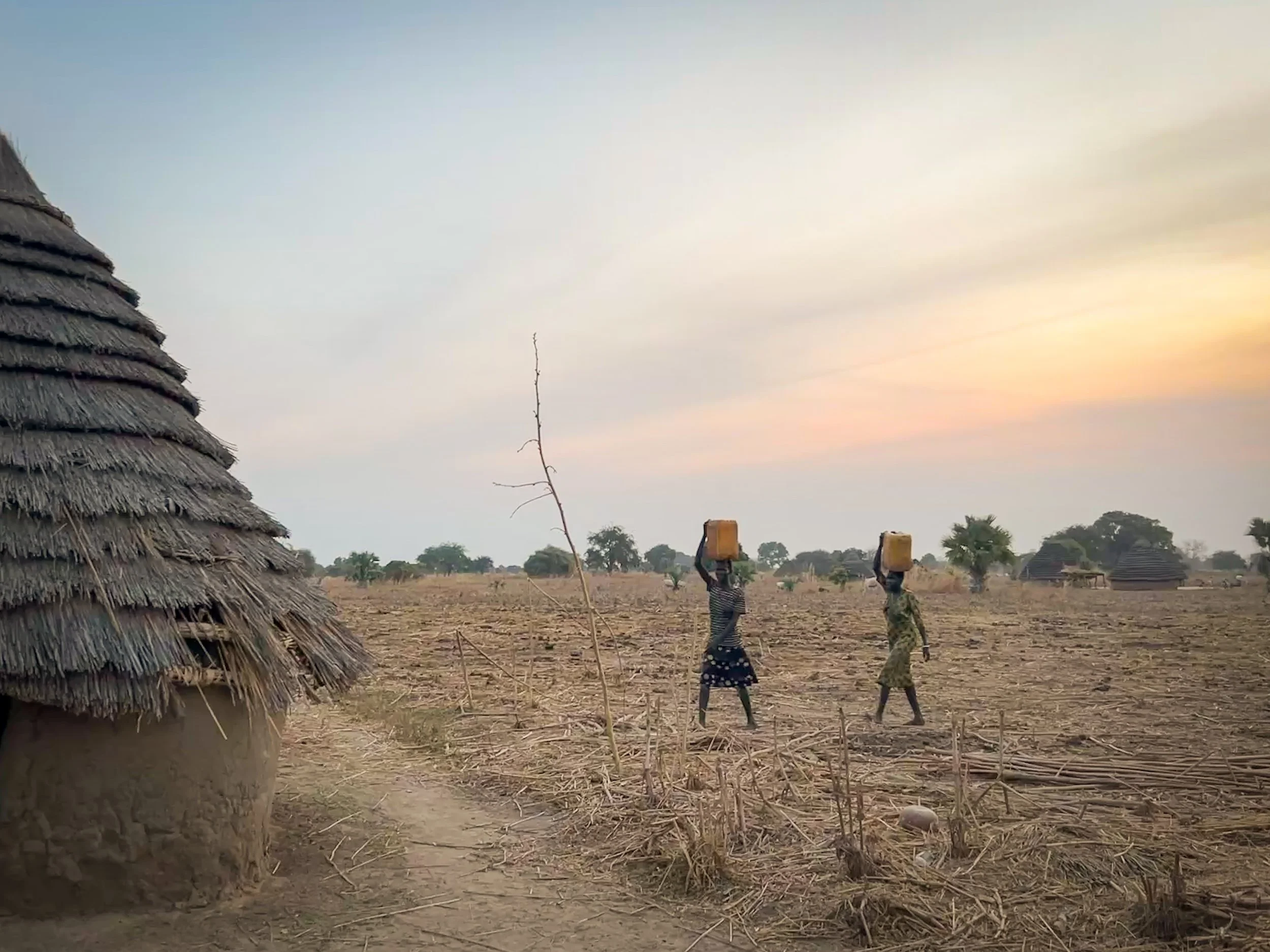
“Before the well, our children were always sick, and we spent hours every day walking for water. Now we have time, health, and hope. We take care of this well because it is ours.” ~ Water Committee Member, Rural South Sudan
Our Commitment
We believe clean water is most effective when communities are empowered—not dependent. By centering local leadership, accountability, and long‑term partnership, WFSS supports clean water solutions that strengthen communities today and for generations to come.
Take the Next Step
If you believe in solutions that last:
Support a sustainable water project → Your gift helps fund community training, repairs, and long‑term monitoring.
Learn how a well is built & sustained → Explore what goes into a WFSS water project from start to long‑term success.
Together, we can build clean water systems that last—because they’re owned, protected, and sustained by the people who depend on them.