
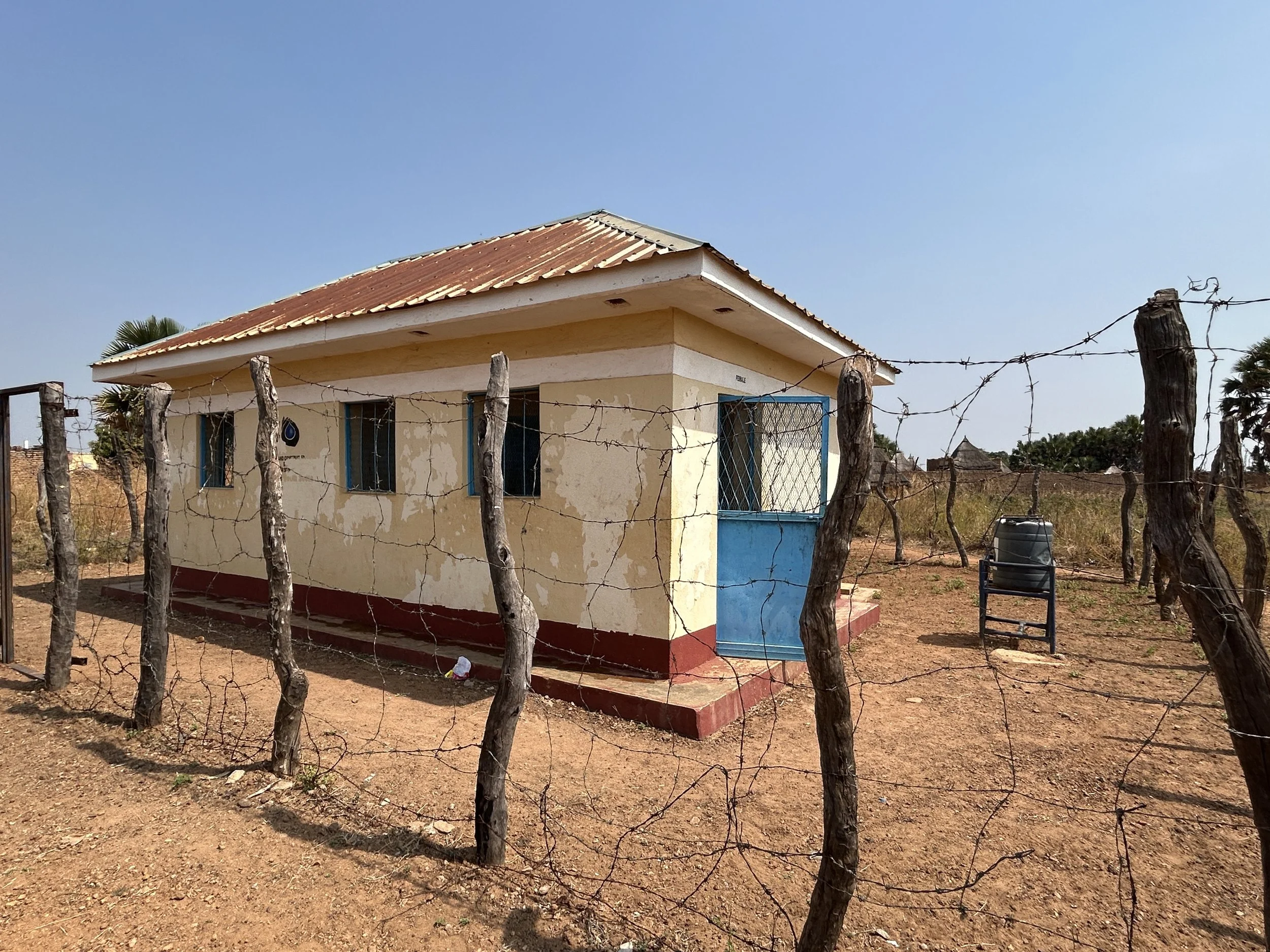
Latrine and Sanitation Solutions in South Sudan
In South Sudan, most people don’t have a safe place to go to the bathroom.
Nearly 90% of the population still practices open defecation, contaminating water sources and driving the spread of disease.
Water for South Sudan (WFSS) is working to change that.
We implement practical, durable sanitation solutions across rural communities — combining latrine construction, rehabilitation, emergency response, and hygiene education to protect health and restore dignity. Our focus is on schools, clinics, and women’s centers, where access to safe sanitation has the greatest impact on safety, education, and long-term community well-being.
WFSS’s Approach to Sanitation
Sanitation projects at Water for South Sudan are designed to meet the realities of rural communities and institutional settings across South Sudan. Rather than focusing on a single solution, WFSS implements a program model that integrates construction, rehabilitation, and emergency response.
WFSS designs and implements sanitation solutions tailored to the unique needs of South Sudanese communities, with a primary focus on sustainable, multiple stalls serving schools / clinics.
In addition to constructing new school and communal latrines, WFSS rehabilitates existing facilities and supports emergency sanitation projects in partnership with organizations such as UNICEF. Our team works closely with local communities to ensure each design is culturally appropriate, environmentally sustainable, and easy to maintain.
What differentiates us?
What sets WFSS apart is our focus on durable, high-use facilities for schools, clinics, and women's centers — integrated with water access and hygiene education, and designed for long-term sustainability through local ownership and community investment. By combining technical expertise, community engagement, and strategic partnerships, WFSS maximizes the impact of each project and strengthens health and dignity across South Sudan.
WFSS's sanitation work spans schools, clinics, and emergency sites across South Sudan, with two core areas of focus:
Institutional Latrine Blocks
WFSS primarily constructs septic tank latrine blocks for schools, clinics, and women’s centers. These facilities provide safe, private sanitation for students, teachers, patients, and community members. Institutional latrines are designed for durability and high daily use, helping create safer environments where children can stay in school and communities can access basic sanitation services.
Emergency Sanitation
During displacement or humanitarian emergencies, WFSS installs temporary or semi-permanent emergency latrines to provide immediate sanitation access. These facilities can be rapidly constructed using lined pits, plastic slabs, and lightweight superstructures to stabilize sanitation conditions in vulnerable communities.
Emergency sanitation is often the first step in stabilizing communities, with an eye toward transitioning to more durable, long-term sanitation solutions where possible.
Every latrine project is paired with hygiene education and training programs, empowering communities to practice proper sanitation, maintain facilities long-term, and reduce exposure to waterborne diseases such as cholera and dysentery.
Rehabilitation of Existing Facilities
In addition to new construction, WFSS rehabilitates damaged or non-functional sanitation infrastructure. Restoring existing latrines helps communities regain safe sanitation quickly while extending the lifespan of essential facilities.
How Water for South Sudan trains and empowers communities for long-term sustainability
WFSS works directly with community members to promote safe sanitation practices, proper latrine use, and long-term facility maintenance. This community engagement ensures that sanitation infrastructure remains functional and effective for years to come.
How Water for South Sudan trains and empowers communities for long-term sustainability
WFSS works directly with community members to promote safe sanitation practices, proper latrine use, and long-term facility maintenance. This community engagement ensures that sanitation infrastructure remains functional and effective for years to come.
Build a Safe Latrine. Protect a Community.
One latrine. Hundreds of lives protected. Your gift builds durable sanitation for schools, clinics, and families — stopping disease before it starts.