
Sustainable Water Wells & Storage Solutions
Access to clean water begins with a well — but a well alone is not enough to sustain a community. Without storage, distribution, and local maintenance, a single water point can become overcrowded, break down, or fail to meet the needs of a growing community.
At Water for South Sudan, we build complete water infrastructure systems designed to serve communities, schools, and medical clinics for generations. Our approach combines drilled water wells, storage systems, and distribution solutions, all designed to be owned and managed by the communities they serve — so families have reliable access to safe water year-round.
By developing sustainable water systems, communities no longer rely on unsafe water sources or walk long distances to collect water. Instead, families gain consistent access to clean water close to home, improving health, education, and economic opportunity.
Water Infrastructure Development
Water infrastructure is essential for long-term access to clean water in rural communities. According to UNICEF, 59% of people in South Sudan lack access to safe water, highlighting the urgent need for sustainable solutions.
In many regions of South Sudan, seasonal rains, drought, and limited infrastructure make water access unreliable. Water for South Sudan works alongside local communities to develop durable water systems that provide dependable water access even during the dry season.
Our infrastructure projects integrate several key components and are owned and maintained by the communities they serve:
Professionally drilled deep water wells
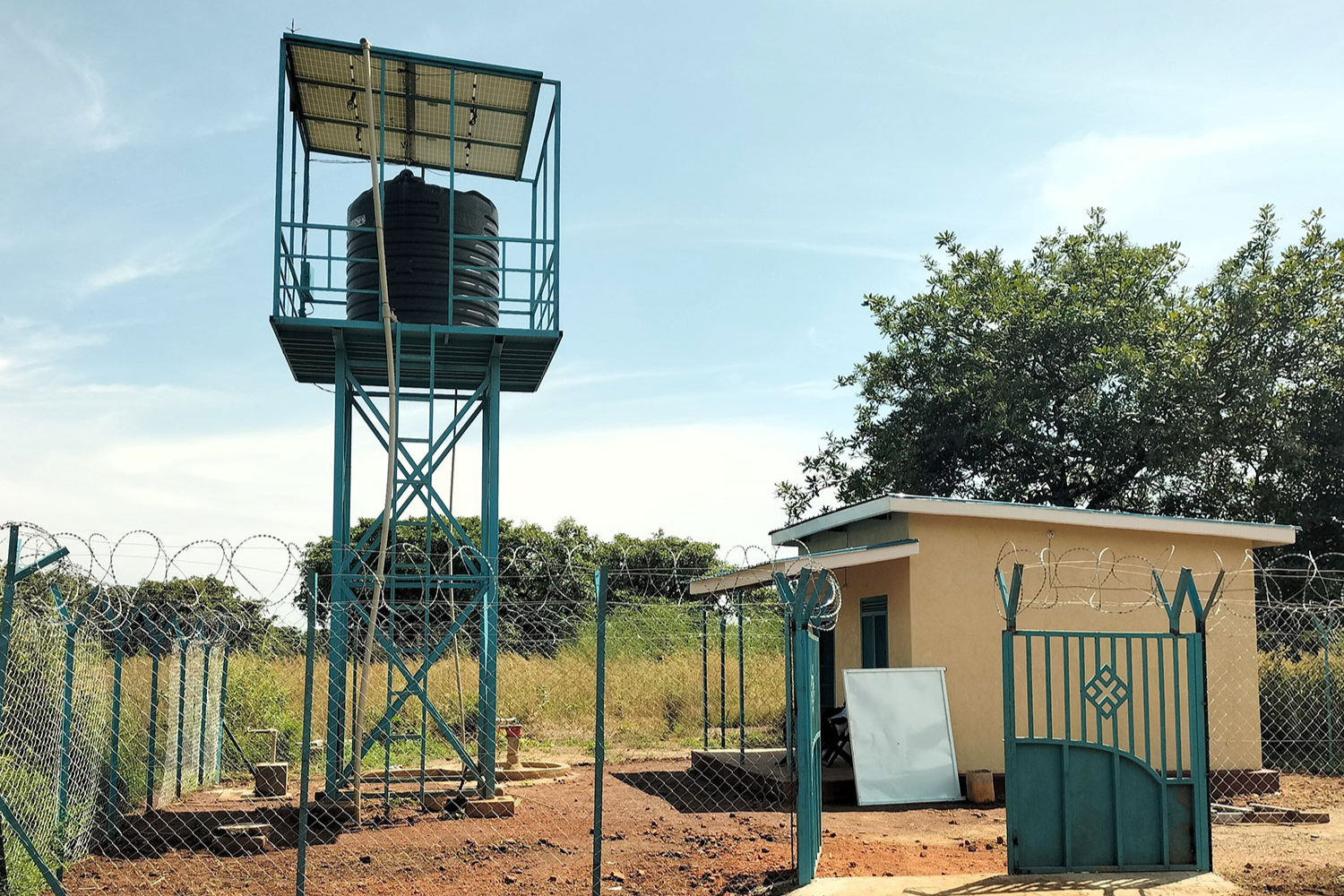
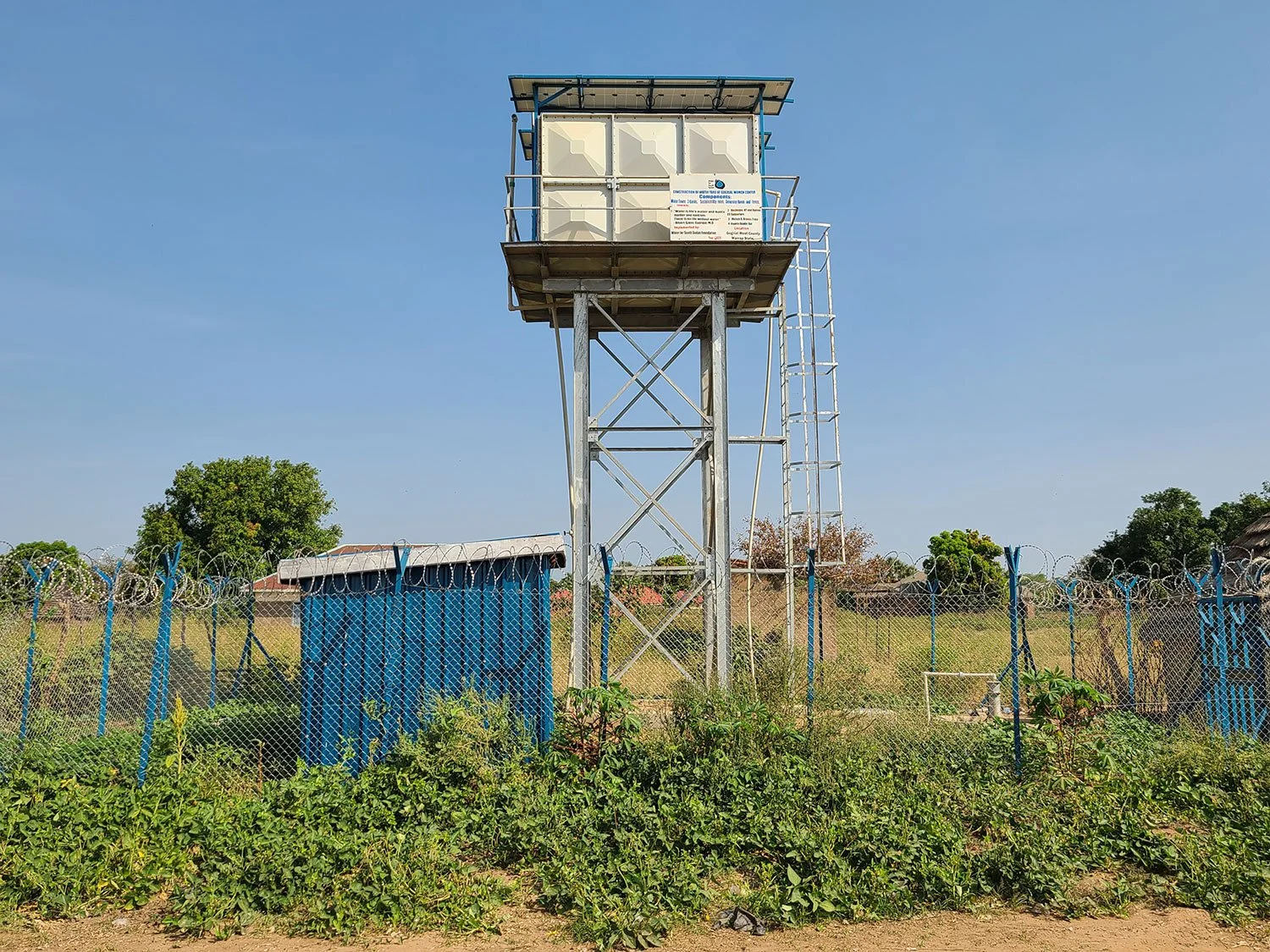
Elevated water storage systems
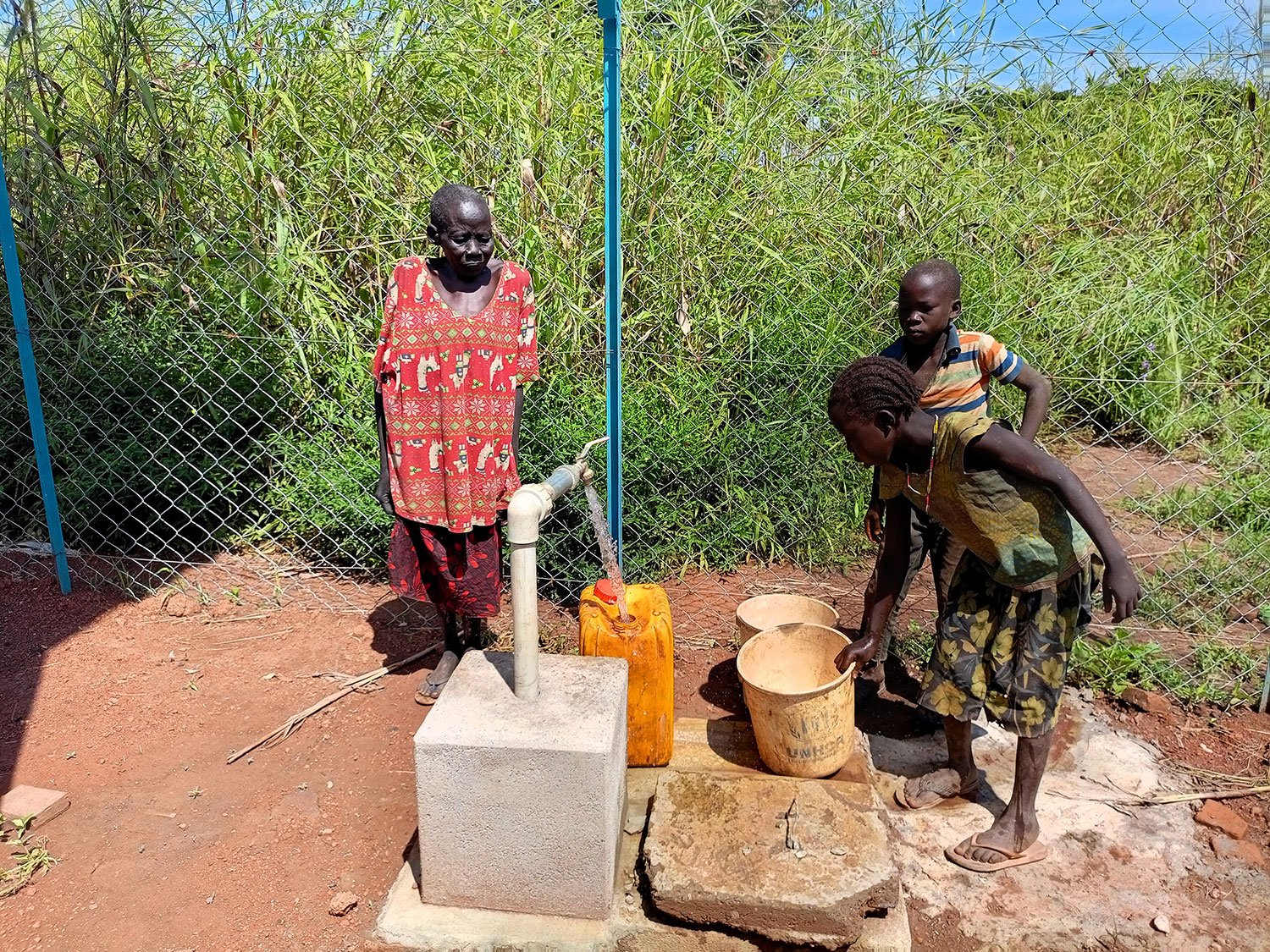
Distribution points that improve access for entire communities
This integrated approach ensures that water systems are resilient, sustainable, and capable of serving growing populations.
Building Sustainable Water Systems
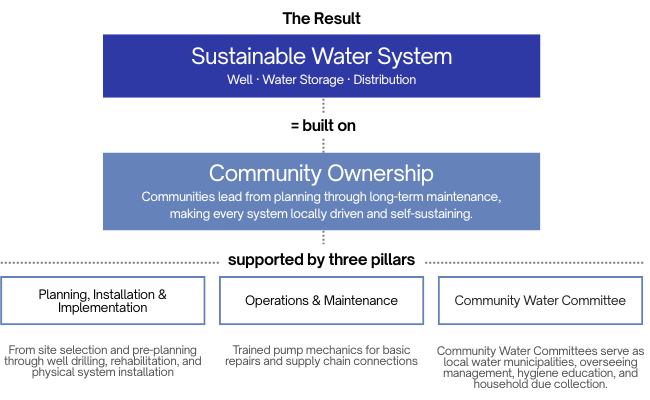
Building wells in South Sudan is more than installing infrastructure — it's about building the local capacity to keep that infrastructure running. Every WFSS water system combines drilling, rehabilitation, storage, and community-based maintenance, designed to be owned, operated, and sustained by the community it serves.
Our Community Led Model
At the heart of this approach is a belief that lasting change comes from within. Under our Community Led Model, local water committees are trained and empowered to manage their own systems — handling routine maintenance, collecting fees for repairs, and making decisions about their water infrastructure. Communities aren't recipients of aid; they are owners and stewards.
At Water for South Sudan, our goal is not just to drill wells — it is to build sustainable water systems that communities can rely on for decades. Through a combination of wells, storage, training, and community partnership, we create water infrastructure that improves health, stability, and opportunity throughout South Sudan.
Together, these solutions help ensure that clean water is not just available today — but remains accessible for future generations. To learn more about our commitment to sustainability, click here.
1-2 people in each village are trained in basic well maintenance so common repairs can be handled locally instead of waiting for outside technicians.
Communities are connected to local supply chains for spare parts.
We support the United Nations Sustainable Development Goals with a focus on Goal #6 to ensure the availability and sustainable management of water and sanitation for all.
Drilling Facts
Drilling for WFSS requires specialized equipment, trained crews, and geological surveying to reach reliable aquifers deep underground.
WFSS has drilled more than 660 wells since 2005.
More than 500,000 people now have access to safe water.
Our drilling teams work during the dry season: December to May.
Every new water well takes three to seven days to complete.
One well pumps approximately 1,800 gallons (6,814 liters) per day.
Each well serves approximately 500 people and is shared with everyone.
Water Wells
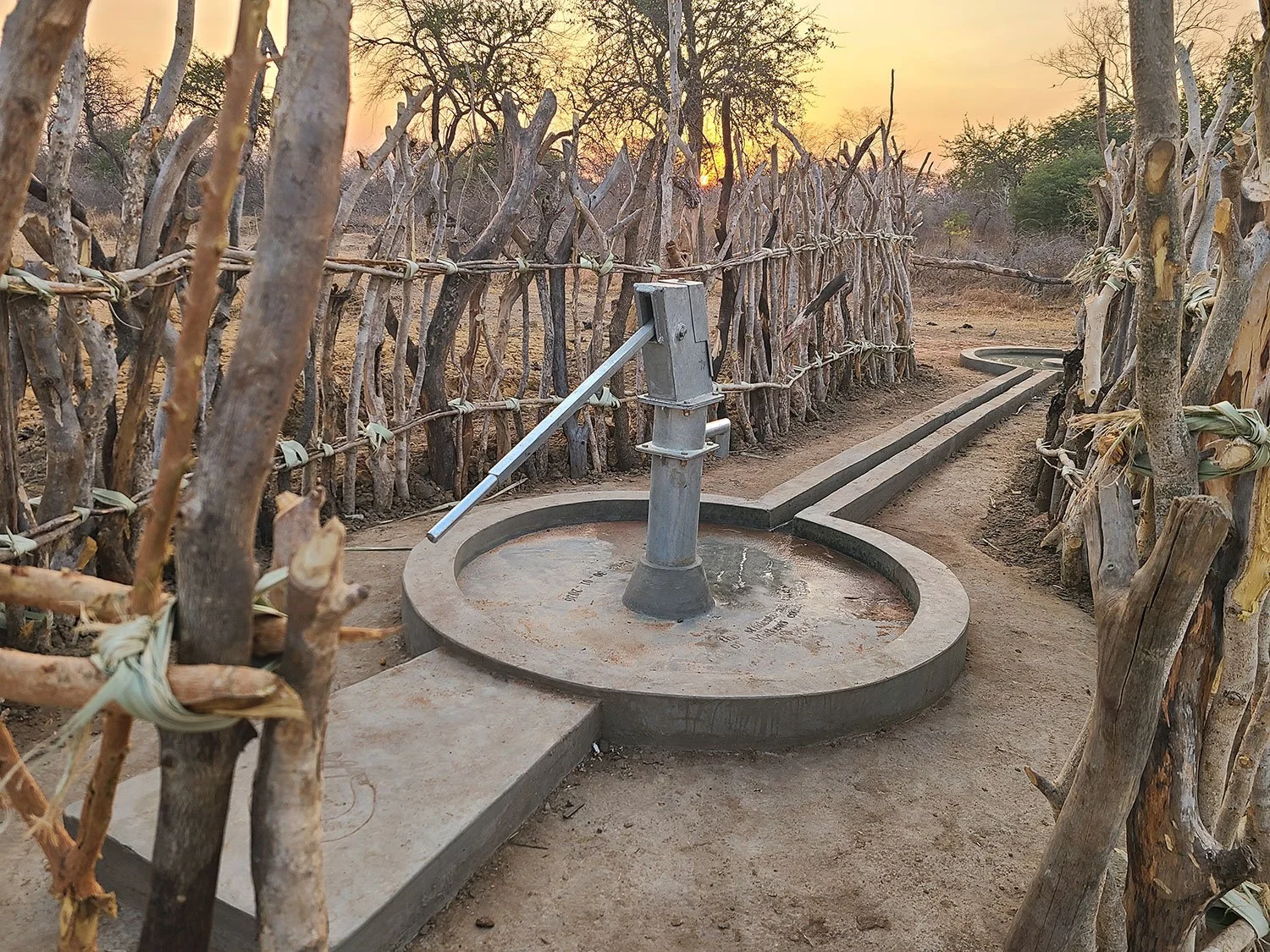
Water for South Sudan uses professional drilling equipment to reach deep underground aquifers that provide safe, reliable water sources. Once a well is completed, a durable hand pump is installed so community members can easily access the water.
Each well is carefully planned in partnership with the community to ensure it serves the greatest number of people while remaining accessible and maintainable.
Our wells are designed to:
Reach reliable groundwater sources
Withstand heavy daily use
Be maintained locally by trained community members
A well provides the starting point for a community water system — but long-term sustainability often requires rehabilitation and additional infrastructure such as water storage and distribution.
Well Rehabilitation & Long-Term System Stewardship
In addition to drilling new wells, Water for South Sudan prioritizes the rehabilitation of existing wells as a core part of long-term water system stewardship. In many rural communities, wells stop functioning over time due to worn parts, lack of maintenance, or years of heavy use. Rather than allowing these systems to fail, rehabilitation restores reliable access to safe water while preserving and strengthening existing infrastructure.
Our teams assess each site, repair or replace damaged components, reinforce the well structure, and ensure the pump is operating properly. Just as importantly, we work with community members to build local capacity—retraining water committees on routine maintenance and connecting them with nearby spare-parts suppliers. This approach helps communities manage their own water systems and respond quickly to future issues.
Rehabilitating wells is one of the fastest and most cost-effective ways to restore water access, but its impact goes beyond immediate repair. By extending the life of existing infrastructure and strengthening local ownership, rehabilitation supports the long-term reliability and resilience of the entire water system, ensuring families can depend on safe water not just today, but for years to come.
Water Storage
Water storage systems expand the reach and reliability of community water infrastructure.
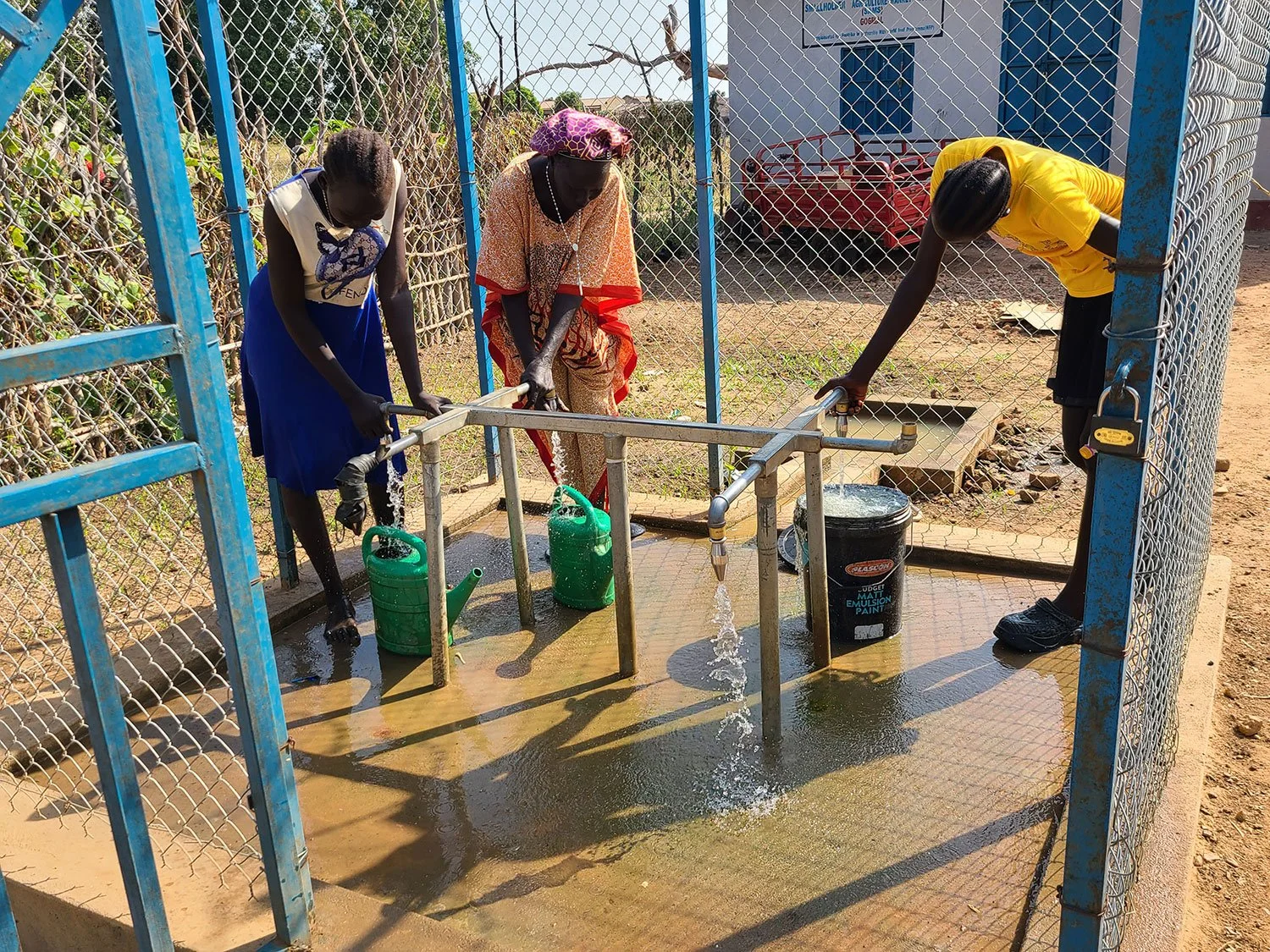
Elevated storage tanks allow communities to collect water from a well and store it so it can flow — by gravity — through pipes to faucets and taps throughout the day. Rather than requiring users to pump directly at the well, water moves through the system much like traditional plumbing, delivering it to a shared community access point.
Water storage plays a critical role for locations such as:
• Schools
• Health clinics
• Community centers
• Growing villages
• Gardens
Beyond convenience, water storage supports more equitable access. By distributing water through multiple taps or outlets, these systems reduce barriers for those who may otherwise struggle to reach or wait at a well, including children, the elderly, and those with limited mobility.
As part of a broader approach to long-term sustainability, water storage strengthens the resilience of the entire water system—helping communities manage demand, maintain consistent access, and ensure that safe water is available when and where it is needed most.
Join us in bringing sustainable water solutions to South Sudan
Your support helps ensure that families, schools, and clinics have reliable access to safe water for generations to come.