OPERATING SEASON CAMPAIGN
Before the First Drop
Preparing today for another season of reliable water.
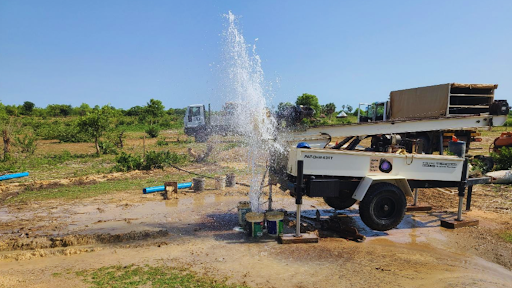
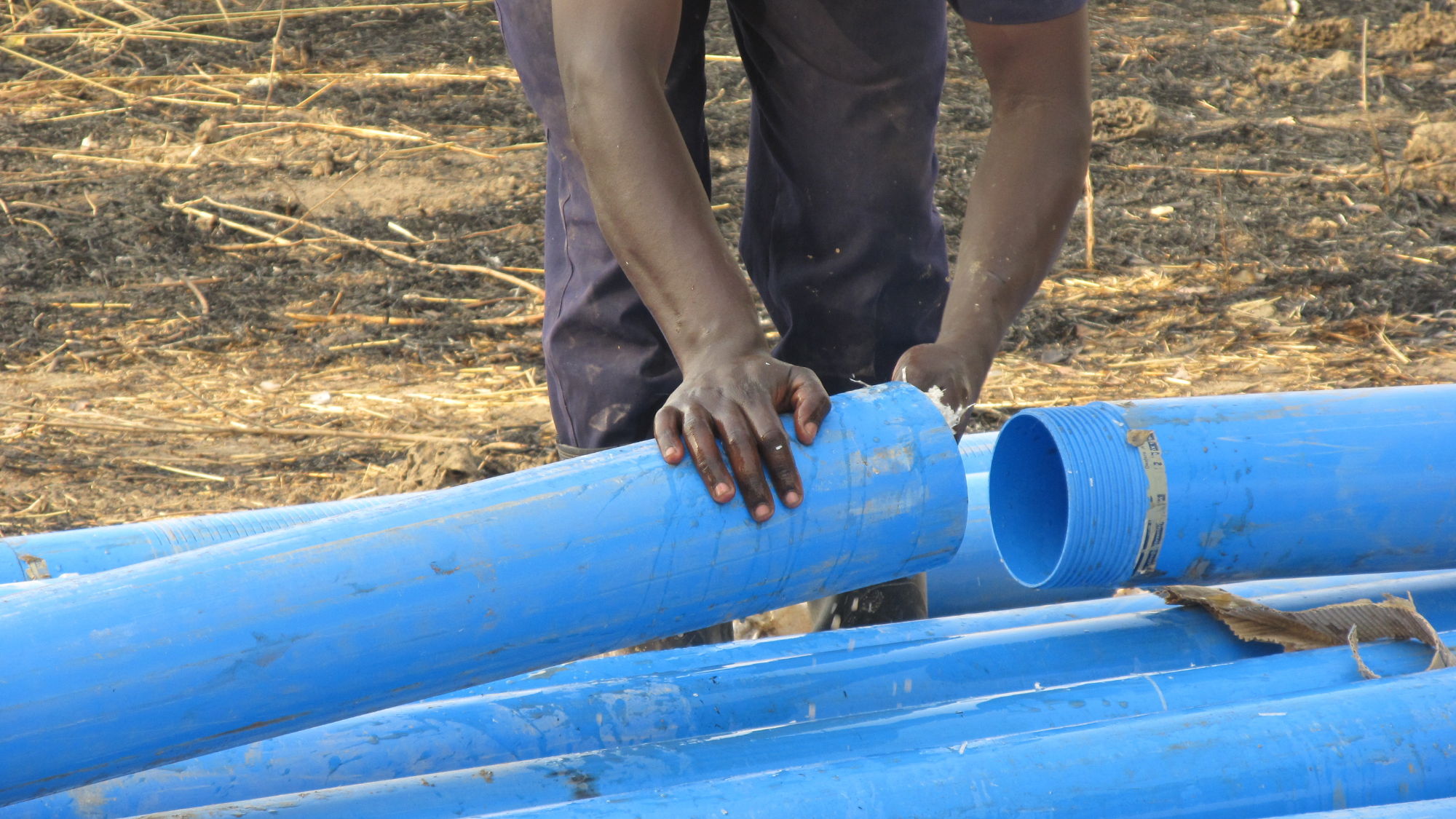
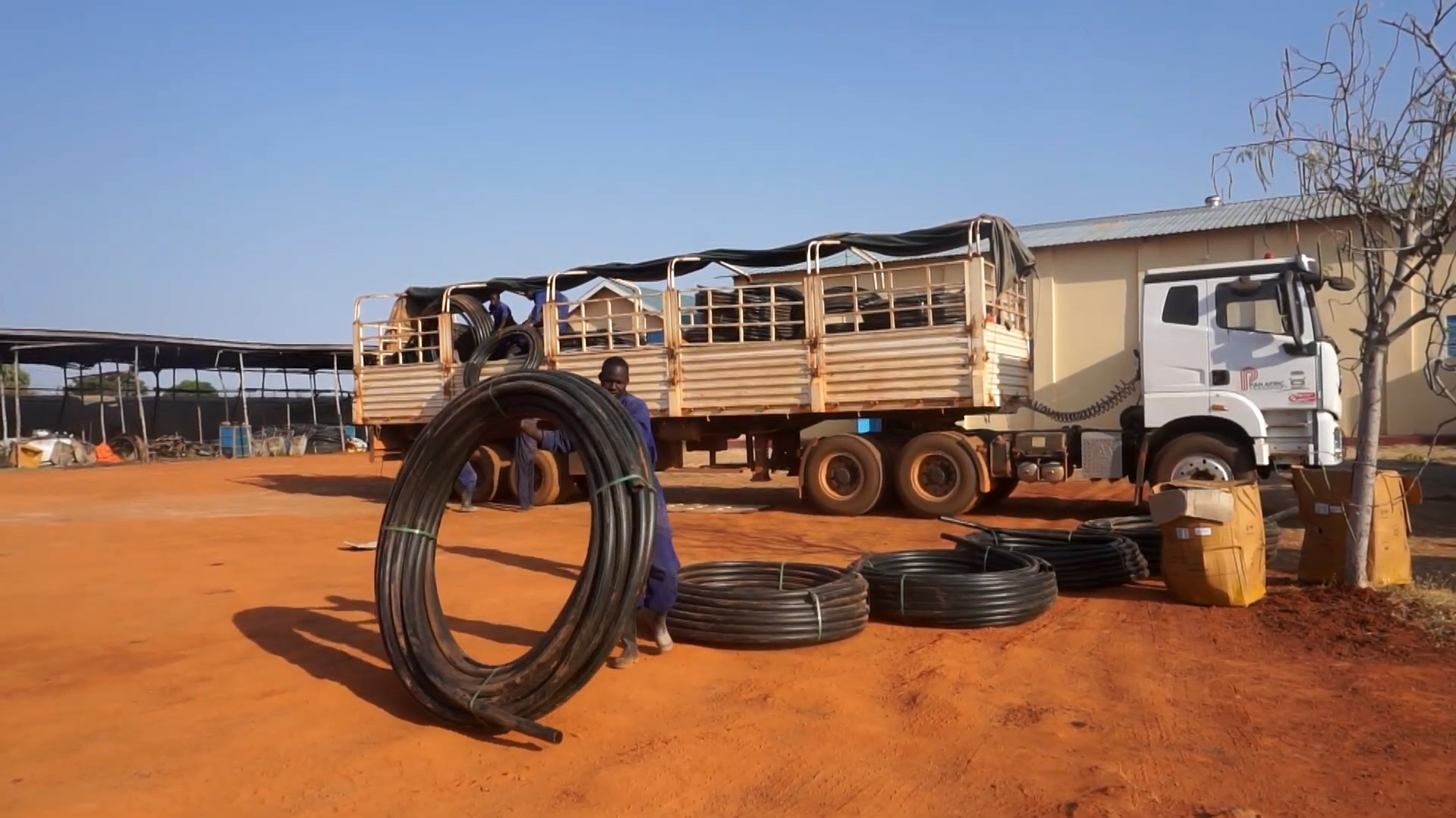
Reliable water doesn’t begin when drilling starts — it begins months earlier, through preparation. Long before the first project is underway, our South Sudan team is coordinating logistics, ordering supplies, preparing equipment, and planning each community project alongside local leadership.
When you give during this campaign, you’re not just funding a well — you’re helping launch an entire season of community-led work that brings reliable water closer to families across South Sudan.
40
WELL REHABILITATIONS
20
NEW WELLS
4
NEW WATER YARDS
A New Well Sets Change in Motion
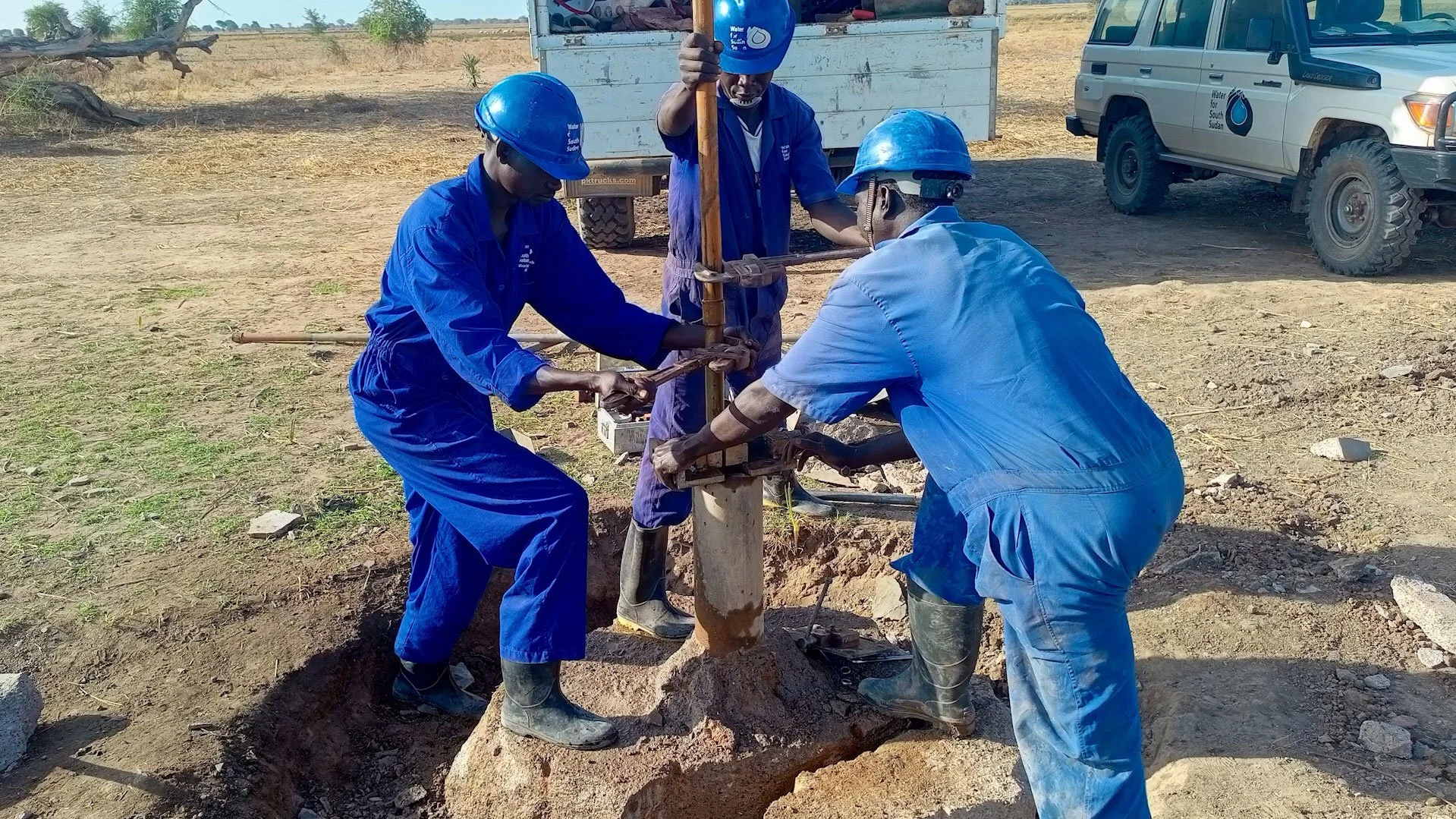
For communities like Nyoric Village, a new well is where change starts. It brings clean water for drinking, cooking, and growing food, closer to home. With that water source in place, mothers spend less time walking for water, and children have more time for school. Waterborne illness rates can drop as access improves. From there, it's the community — through its own leadership, labor, and decisions — that builds toward a healthier, more self-sufficient village. A well doesn't finish the work. It's where the work starts.
Our Commitment to Sustainability
Sustainability is a holistic approach. Our locally hired, 100% South Sudanese team leads all of our water, sanitation, and hygiene programs in the rural communities we serve. Speaking the languages and understanding the customs of the communities we work in means our projects are long-lasting and continue to provide communities in need with invaluable and sustainable WASH programs to create healthier and prosperous communities.


It all started with a Lost Boy of Sudan who just kept walking…
Water for South Sudan began when a Lost Boy from a rural village in southwestern Sudan returned home, only to find his father fighting deadly waterborne parasites.
After seeing his father’s condition, Salva decided to take matters into his own hands and help his community access better water, sanitation, and hygiene practices.
And today, we call this movement Water for South Sudan!

5 MILLION
People in South Sudan live without daily access to safe water and sanitation services.
3.7 MILES
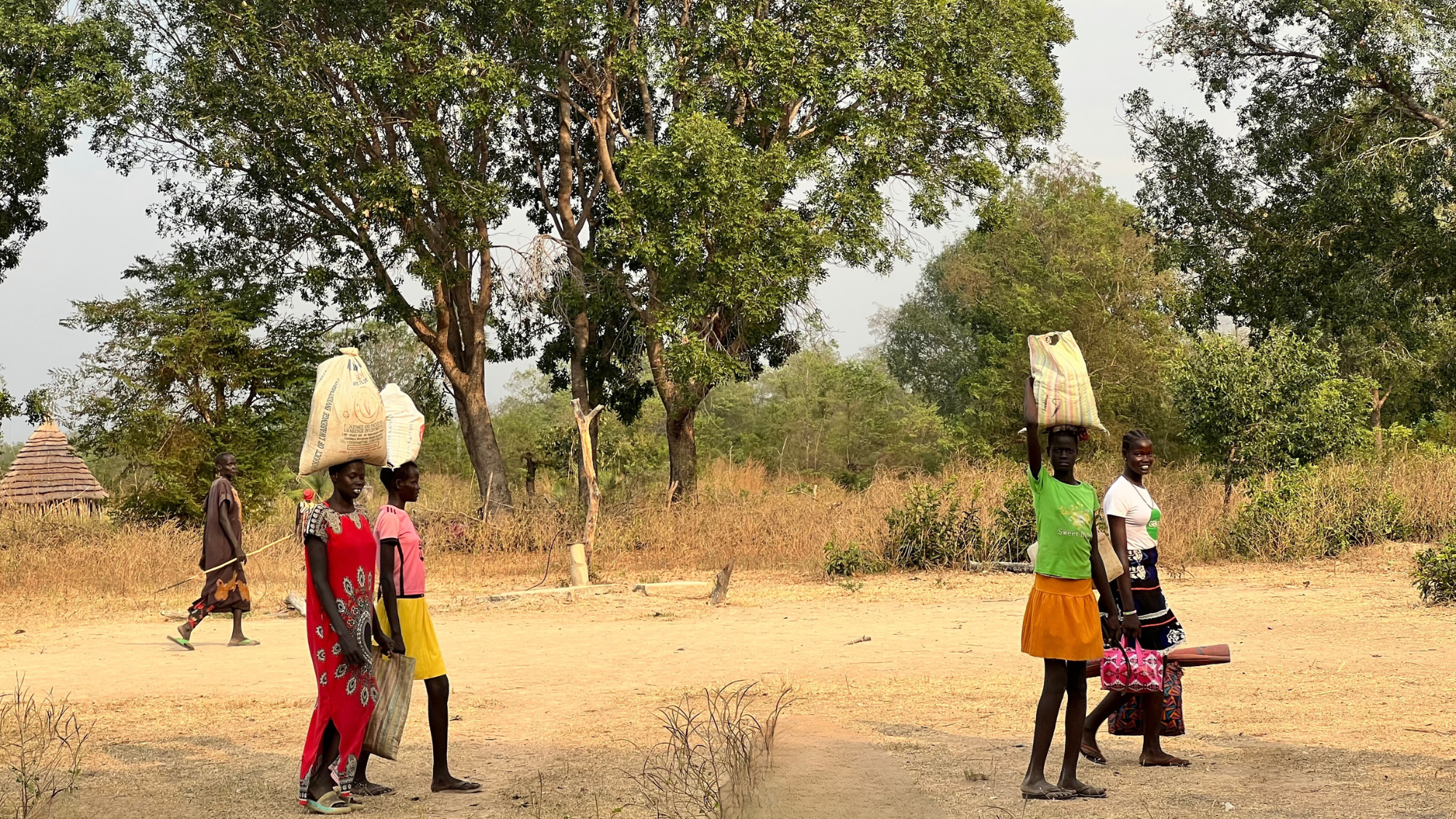
Children, often girls, spend their days walking for water. They walk an average of 3.7 miles per trip. Sometimes they make multiple trips to obtain water, carrying up to 40 pounds (18 kgs) of water each time.
3 PERCENT
of people in South Sudan have access to basic sanitation services
Watering the Seeds of Change
-

Sustainable Water Solutions
At Water for South Sudan, we build complete water infrastructure systems designed to serve communities, schools, and medical clinics for generations.
Our approach combines drilled water wells, storage systems, and distribution solutions, all designed to be owned and managed by the communities they serve — so families have reliable access to safe water year-round. -

Hygiene
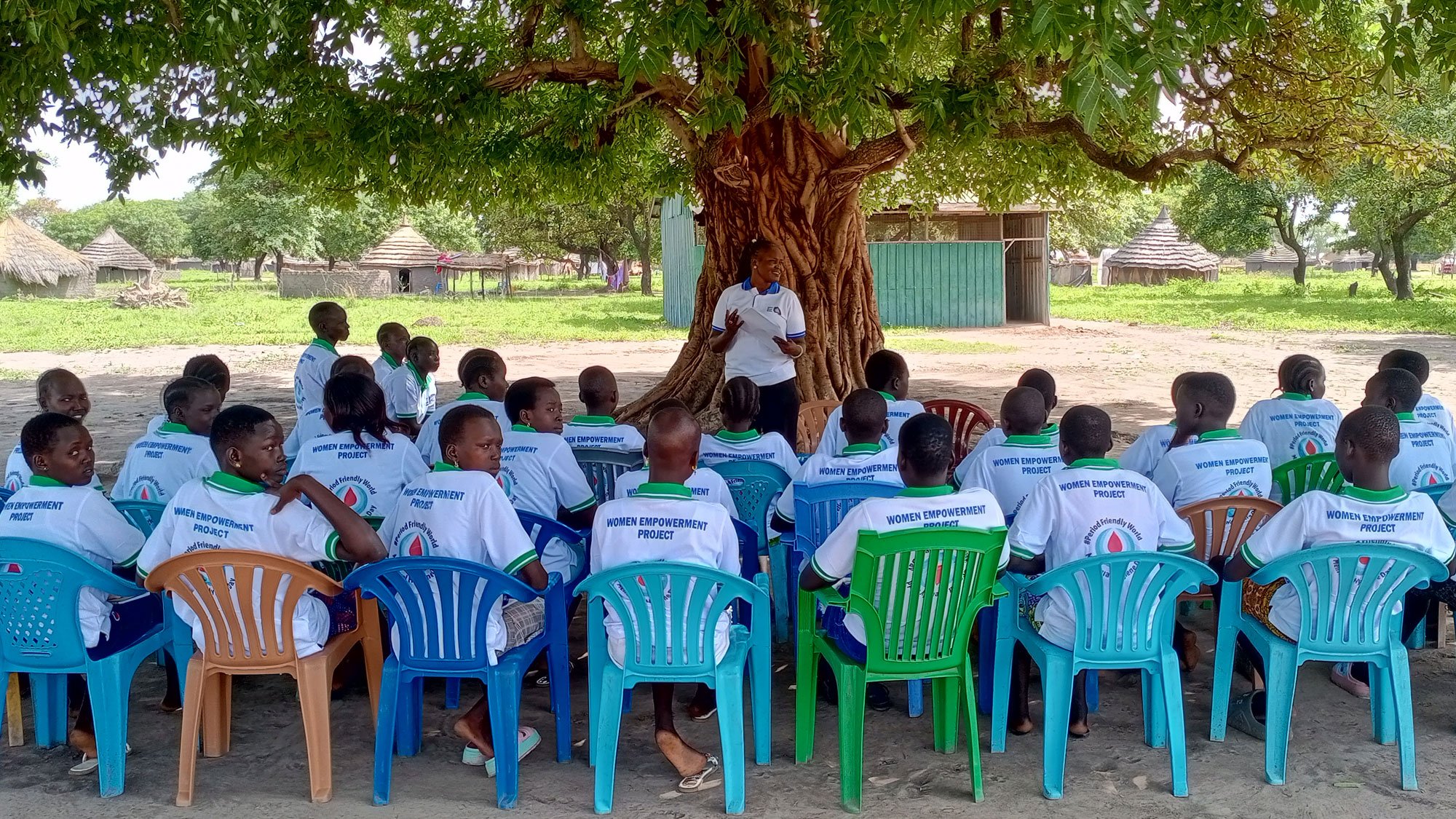
Clean water is only part of the solution. WFSS provides hygiene education that helps communities build healthier habits around handwashing, sanitation, and safe water use.
Hygiene program helps communities turn access to clean water into healthier daily practices.
-

Sanitation Solutions
In South Sudan, most people don’t have a safe place to go to the bathroom.
Nearly 90% of the population still practices open defecation, contaminating water sources and driving the spread of disease.
Water for South Sudan (WFSS) is working to change that.