The Crisis No One is Talking About … And What We’re Doing About It
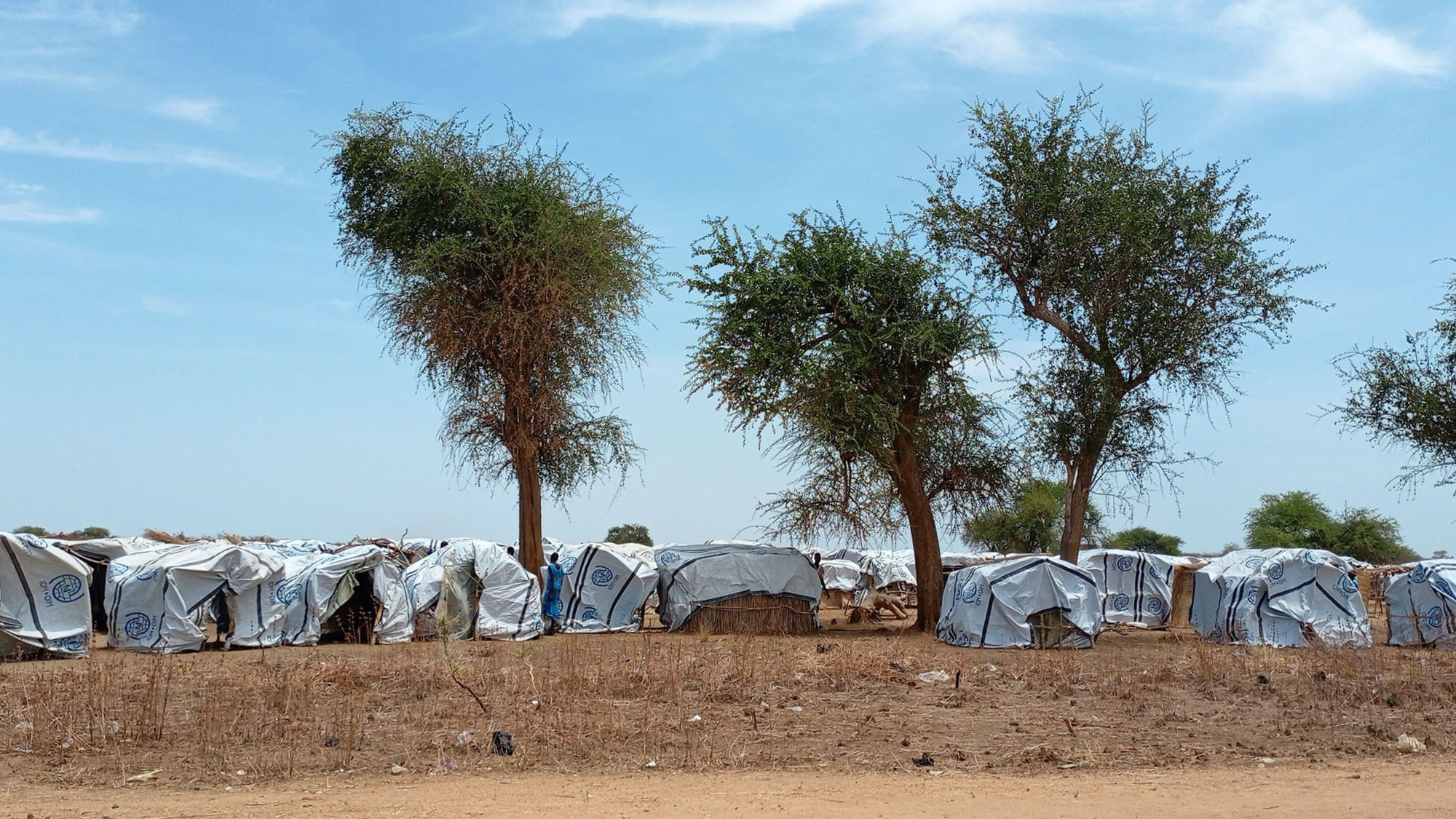
IDP Camp in Twic, South Sudan 2026
While the world’s attention shifts from one breaking headline to the next, a quieter crisis continues to unfold in South Sudan, largely unseen and rarely discussed. Millions of Internally Displaced Persons (IDPs) are living through it every day. This isn’t a story trending in the news. It’s real life, happening right now, far from the spotlight.
What exactly is an IDP?
An IDP is someone who has been forced to flee their home due to conflict, violence, natural disasters, or persecution, but unlike a refugee, they have not crossed an international border. They remain within their own country, often with nowhere safe to go.
In South Sudan, conditions for IDPs are extremely dire. The country is home to nearly 2 million internally displaced people, navigating a complex humanitarian landscape shaped by ongoing conflict, economic instability, and climate-related challenges. The causes of displacement are varied — communal clashes, land disputes, insecurity, violence, natural disasters, and cross-border movements all play a role.
A Community Uprooted
Water for South Sudan (WFSS) learned about the urgent needs of a displaced community in South Sudan through a WASH Cluster Meeting, a coordination forum focused on water, sanitation, and hygiene. Following an attack by another ethnic group, 1,269 households, approximately 7,614 people, were forced to flee. They left everything behind.
The 7,614 displaced individuals settled across 4 payams in Twic, each distant from one another, and integrated with local host communities. Because the host communities share the same culture and language as the IDPs, integration has been possible. The host community members welcomed the displaced individuals, agreed to share resources, and even welcomed both groups to utilize the local health center.
Despite this goodwill, assistance has been critically limited.
Meeting the Most Urgent Needs: Water and Hygiene
When WFSS arrived in Twic, the community faced a serious water crisis: 5 wells were broken, and both IDPs and host community members were relying on a local river for water.
In the weeks since, our team has been working on:
Rehabilitating 5 existing boreholes
Restoring safe water access to the community
Drilling 2 new wells
1 in a village and 1 at a school — to expand coverage
Training 14 hygiene promoters
2 at each of the 7 water points — who are now actively educating IDPs on best practices, including cleaning jerrycans, keeping water sources clean, and raising awareness of hygiene in the community.
The hygiene promoters are already making an impact, sharing weekly progress updates with WFSS as they work across the community.
Training 94 water management volunteers
7 host community members at each site — to ensure the long-term sustainability of the water sources if and when the IDPs eventually return home, depending on whether safety is restored in their communities of origin.
What Comes Next
The challenges are far from over.
The approaching rainy season is expected to be very difficult. Food sources are currently very limited. Community members are collecting wild greens just to survive. The host community is helping as much as they can, but the need is immense. Once the rains subside, those who remain will have the opportunity to begin cultivating food.
WFSS and its partners work across South Sudan to provide protection, education, livelihoods, and basic services. We are working to strengthen community resilience and support lasting solutions and without help, none of this would be possible.
How You Can Help
South Sudan is home to one of the youngest populations in the world, over 70% are under age 30. These are not exaggerated statistics. They are the children collecting wild greens to survive, the mothers sharing a single water point with hundreds of families, the farmers watching another season slip away.
Water is life. For families forced to flee violence and disaster, it becomes a lifeline.
From May 13 to June 15, 2026, Water for South Sudan is asking for your support to bring stability, dignity, and hope to those who need it most. Every contribution helps restore safe water, protect health, and give displaced communities a fighting chance.