The Link Between Water Access and Women’s Safety in South Sudan
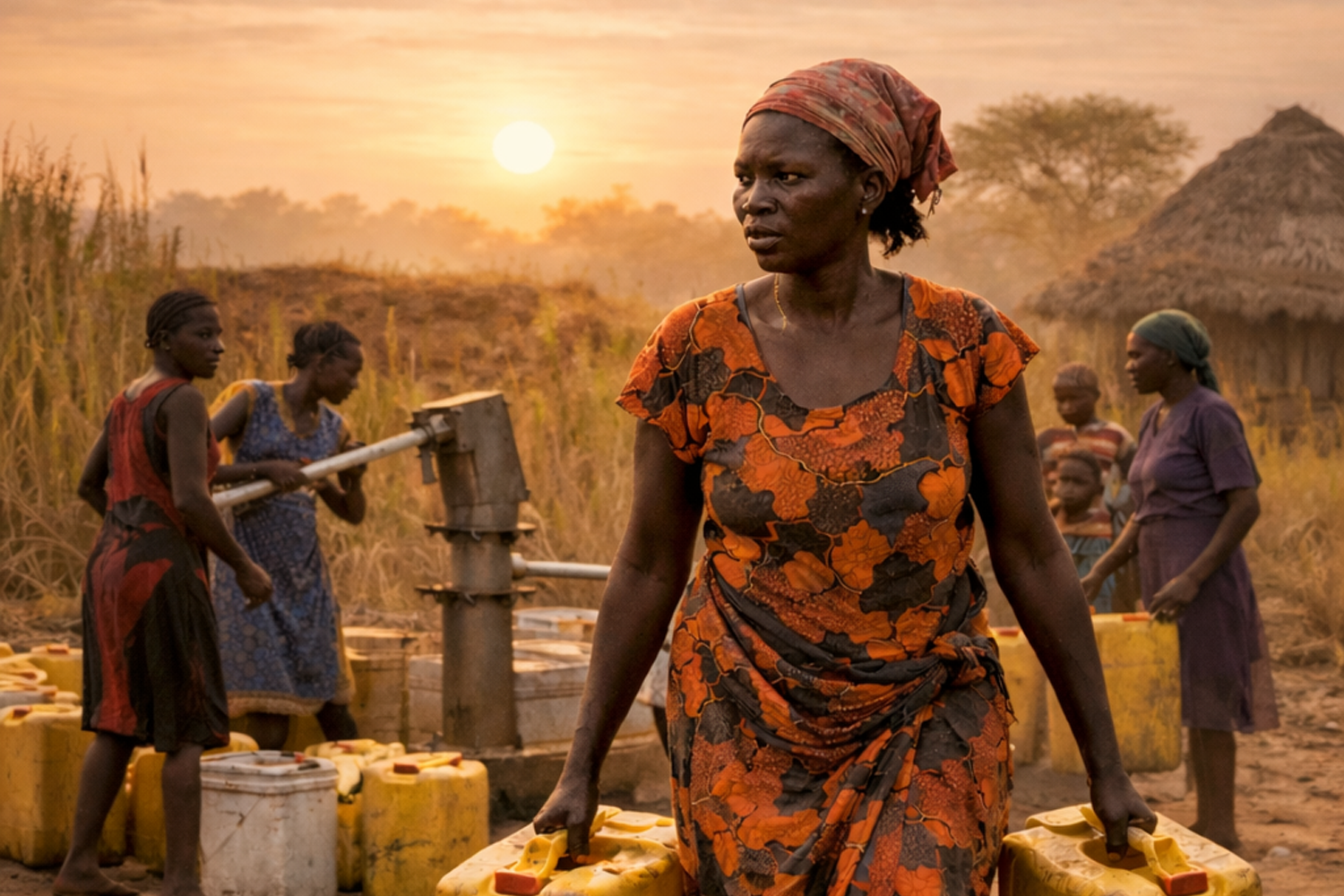
In South Sudan, access to safe, reliable water is not merely a development challenge, it is a matter of personal security, gender equity, and human rights. Decades of conflict, climate instability, and underinvestment in infrastructure have left large portions of the population without reliable access to clean water. As a result, women and girls in particular face long, dangerous journeys to collect water, exposing them to violence, health risks, and significant social disadvantages.
The Longer the Walk, the Greater the Risk
In contexts where safe water is distant, women’s daily routines involve repeated journeys that put them at substantial risk of:
Gender-Based Violence (GBV)
Women and girls in South Sudan have reported high levels of fear and unsafe conditions related to water collection. In rural assessments, a large majority said they didn’t feel safe when collecting water.
Reports from humanitarian observers state that women and girls face threats of assault, beatings, and rape when alone on distant excursions for water, particularly during the dry season when sources are scarce.
Gender-based violence in the country overall is rising amid climate stress, including drought-induced water scarcity — links that intersect with risks during water collection.
Physical Danger and Burden
The physical effort of carrying heavy water containers over long distances also adds health and safety costs.
In some accounts, women have shared that treks to difficult water sources were, at times, dangerous enough to cause injuries or life-threatening conditions.
Climate Change and Compound Risk Factors
South Sudan’s environment is increasingly volatile, with droughts and floods affecting water availability:
Prolonged dry seasons force women and girls to travel farther for limited water resources, raising the risk of harassment and violence.
Climate extremes also disrupt services, healthcare access, and community resilience — intensifying vulnerabilities for women and children.
Progress and Interventions That Matter
Efforts to improve water access have clear safety and social benefits:
Closer, Safe Water Points
Organizations installing solar-powered pumps and boreholes have reduced the need for long, unsafe journeys, giving women and girls more time and greater safety.
Closer water sources also enable girls to attend school and participate in community life.
Linking WASH with GBV Prevention
In South Sudan, limited water and sanitation infrastructure does more than contribute to disease, it also increases vulnerability. WASH-related illnesses such as cholera are widespread, often fueled by poor infrastructure, limited access to healthcare, population displacement, food insecurity, and inadequate hygiene conditions.
At the same time, the lack of safe and accessible water points forces women and girls to travel long distances or use unsafe facilities, increasing their risk of harassment and gender-based violence (GBV).
Programs that integrate water, sanitation, and hygiene (WASH) improvements with GBV prevention strategies address both challenges at once. By building closer, safer water sources and improving sanitation infrastructure, these efforts reduce disease risk while also strengthening protection and safety for women and girls.
When Healthcare Is Miles Away
In many of the rural villages where we work, there are no nearby clinics or doctors, and families facing waterborne illness often travel dozens of miles for care. That’s why we partner with Transform South Sudan constructing wells within a 100-mile radius of the Achiek Women Center in Lietnhom. Despite this critical hospital, patients still walk up to 60 miles for treatment — many suffering from preventable, waterborne diseases.
Last year, we built 10 wells in surrounding communities to reduce hospital visits caused by contaminated water. This Spring 2026, we are preparing to construct 10 more. With partial funding secured and our team ready to launch at the end of February, our goal remains clear: reduce preventable illness, protect women and girls, and strengthen community safety by bringing clean water closer to home.
Conclusion — Visibility, Investment, and Women’s Safety
The connection between water access and women’s safety in South Sudan highlights how essential services are deeply entwined with gender-based vulnerability.
Improving access to safe water isn’t just about health, it is about reducing exposure to violence, enabling education and economic participation, and giving women a stronger voice in their communities.
Future solutions must be equally multi-dimensional: combining infrastructure investment with gender-sensitive planning, climate adaptation, and active inclusion of women in decision making. When women are safer and empowered with reliable water, the entire nation benefits.