
A Day in the Life of a Woman and Mother in Udhum
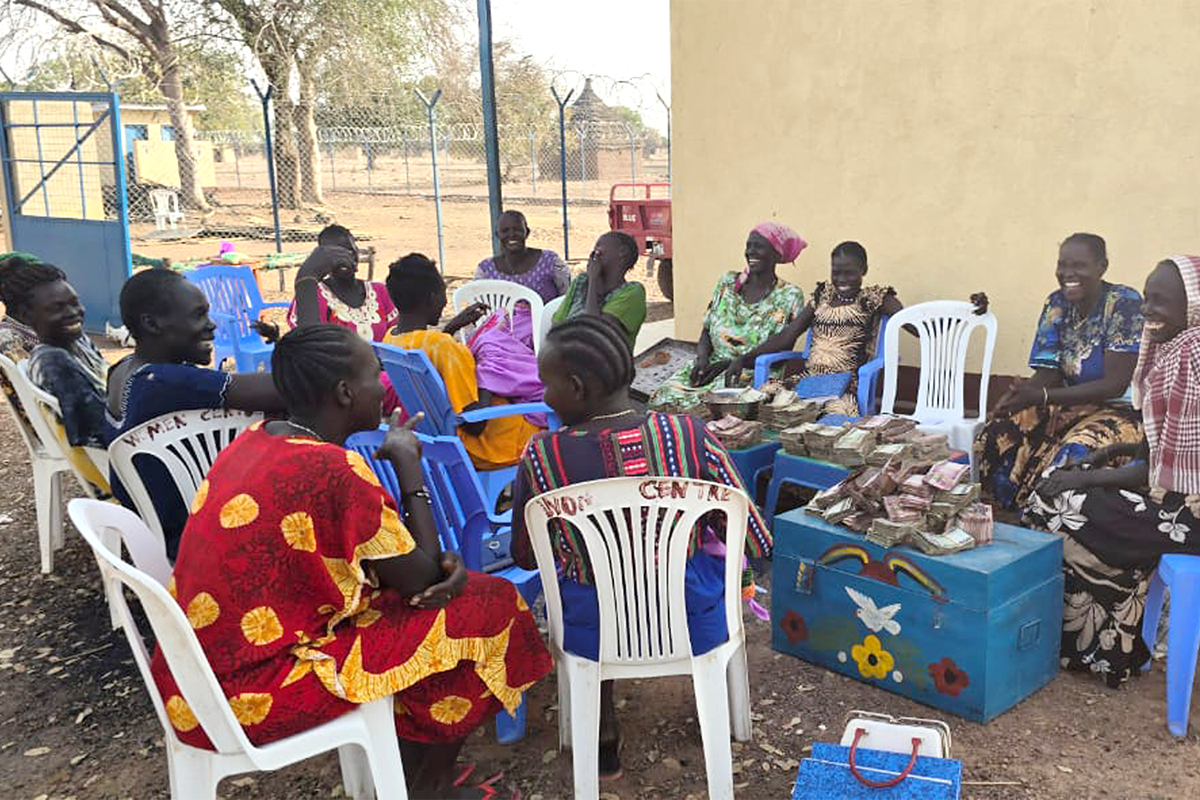
VSLA Group Meeting
Before the rooster crows in Aweil, Bakhita Achol Makak Wol—a mother of five—is already awake. At first light, she lifts her jerrycan onto her shoulder and walks to the borehole, the cool morning air still and quiet. When she returns, her children are stirring, waiting for their porridge. She cooks quickly, aware that the day ahead will demand both her strength and her patience.
Her daily challenges are relentless. The work of the home—fetching water, preparing meals, caring for children—never stops. Yet Achol must also think about her small business and the Village Saving and Loan Association (VSLA) meeting later in the day. Money is tight. Rising food prices stretch her earnings thin, and worries about school fees and medicine for her youngest child weigh heavily on her mind. In her community, many men question whether women should manage money at all. Even her husband sometimes doubts her efforts, forcing her to defend her right to work, save, and dream.
By midmorning, Achol ties her baby to her back and walks to meet the Udhum VSLA group, formed with the support of WFSS. Beneath the shade of a tree, the women gather around their metal savings box. One by one, they contribute their small amounts, the coins clinking like seeds of hope. When Achol receives a loan, she knows exactly how she will use it: buying groundnuts and sugar to make peanut butter and local biscuits she can sell in the market.
This is her turning point. Through the VSLA, Achol no longer waits for uncertain support. She is an entrepreneur, a provider, and a leader. She helps chair meetings, records contributions, and makes decisions alongside her peers. Confidence now shapes her voice as she speaks—challenging the old belief that women should remain silent in financial matters.
By afternoon, Achol is at her stall selling tea and biscuits. Customers stop by, and she earns enough to buy soap and set aside money for her daughter’s school fees. When she returns home, her children greet her with smiles. Dinner is simple, but there is enough—and she knows her own efforts made that possible.
As the sun sets over Aweil, Achol reflects on her day. It was filled with burdens—chores, worries, and the weight of expectations—but also with victories. She balanced motherhood with entrepreneurship, turned savings into opportunity, and proved that women can lead.
Key Reflection
The women of Udhum embody strength in the face of adversity. Their VSLA group is more than a financial tool—it is a lifeline, a platform for leadership, and a source of dignity. Through it, mothers like Achol transform challenges into triumphs, reshaping gender roles and building hope for sustainable development in South Sudan.