A Day in the Life of a Child in South Sudan: The Story of Nyaruon Deng
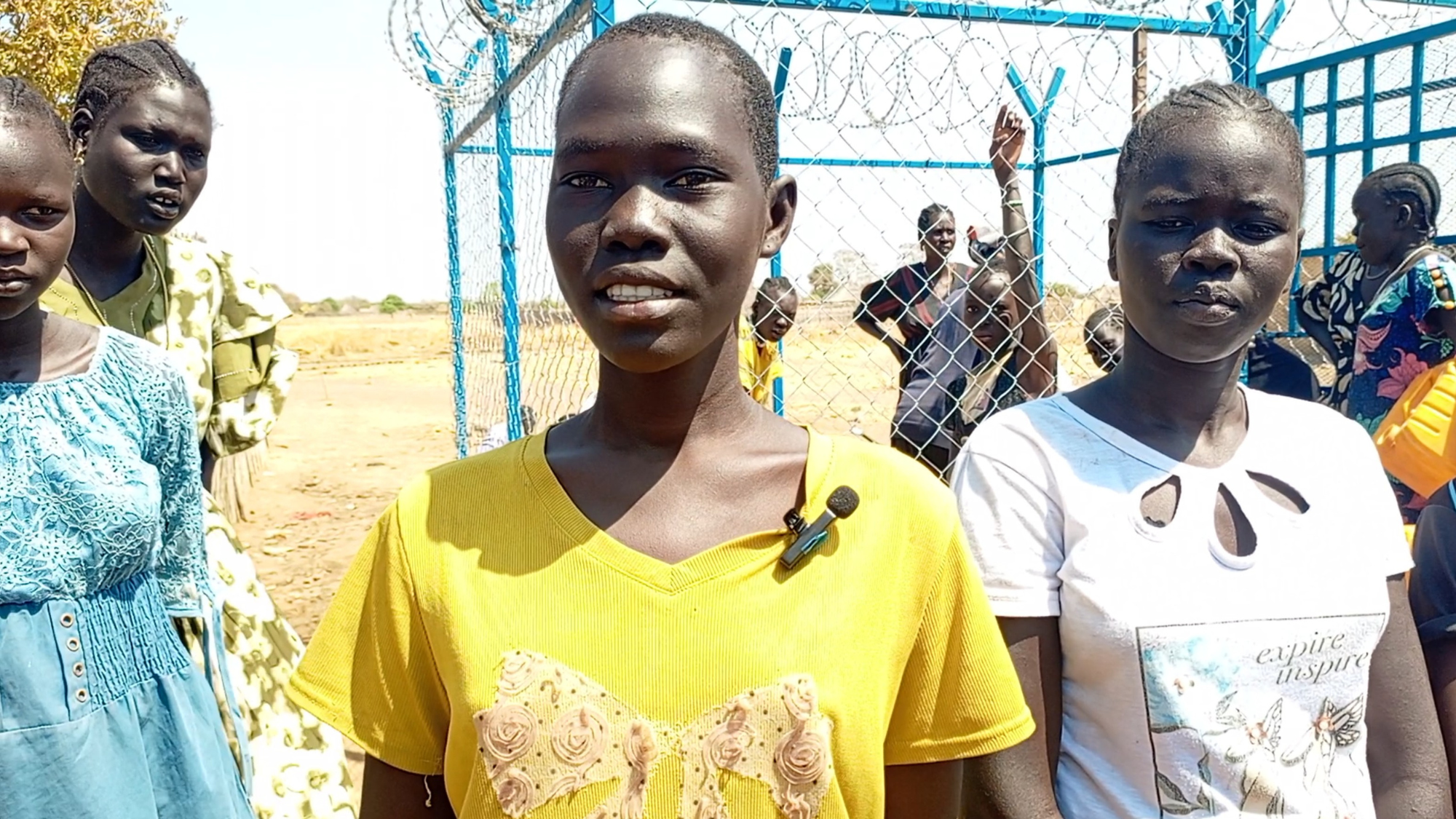
The sun rises early in Tonj South County, South Sudan. Long before the first school bell rings, long before most children in other parts of the world have even opened their eyes, Nyaruon Deng, 14 years old, is already on her feet, ready for the day.
Her morning begins not with breakfast or the rustling of a backpack, but with a walk to the well.
The Weight of Water
For as long as Nyaruon could remember, fetching water was the first task of every day, a responsibility that fell heavily on the shoulders of girls in her community. The open well was not close by. By the time she arrived, a long line of women and children had already formed, each waiting their turn with plastic jerry cans.
Some mornings, the wait stretched for over an hour. On others, the water was murky and smelled. Nyaruon would fill her container, balance it carefully on her head, and begin the walk home, arms aching, her uniform already dusty, and the school day already slipping away.
By the time she arrived at St. Bakhita Primary School, class had often started without her. Her teacher would glance up. Nyaruon would take her seat quietly, eyes downcast, already behind.
There were also days she came to school without bathing, not out of carelessness, but because there simply wasn't enough water. In a classroom with few resources and many students, these small challenges mattered. They settled into a child's sense of self in ways that are hard to measure but impossible to ignore.
More Than Thirst
What clean water means to a child in South Sudan is difficult to fully grasp from the outside. It is easy to think of it as a health issue — and it is. Waterborne illnesses from contaminated sources steal countless school days every year. But the loss goes deeper than sick days and absences.
When a girl spends her morning hauling water instead of reviewing her lessons, she falls behind. When she falls behind often enough, school begins to feel like a place where she doesn't quite belong. For many girls in communities like Nyaruon's, that quiet discouragement becomes a turning point, the beginning of a slow drift away from education entirely.
Access to clean water, it turns out, is inseparable from access to learning.
The Day Everything Changed
Water for South Sudan arrived in Nyaruon's community and constructed a new water yard — a clean, reliable, accessible water point closer to home and to school. It was not a dramatic moment, as transformations rarely are. There was no ceremony Nyaruon particularly remembers. There was simply, one morning, a different kind of beginning.
She woke up. She fetched water — quickly, cleanly, without the long wait or the long walk. She bathed. She arrived at school on time, her uniform neat, her notebook open, her mind ready.
Reflecting on the difference, Nyaruon shares:
"We used to fetch water from the open well, where we would spend a lot of time waiting. Sometimes we arrived at school late, and other times we couldn't bathe because there wasn't enough water. Since the new water point was constructed, we have enough water to clean ourselves and go to school early.
I thank Water for South Sudan for giving us water."
A Future Written in Full Sentences
Today, Nyaruon is one of the most consistent attendees in her class. She is learning to read with growing confidence, her handwriting filling the pages of her exercise book. She wants to be a nurse someday — to take care of people, she says, the way she has seen others taken care of.
It would be tempting to say that a water well changed her life. But what really changed was time — time given back to her every morning, time she now spends sitting in a classroom, raising her hand, learning her place in the world.
Clean water didn't just quench Nyaruon's thirst. It opened the door to her future.